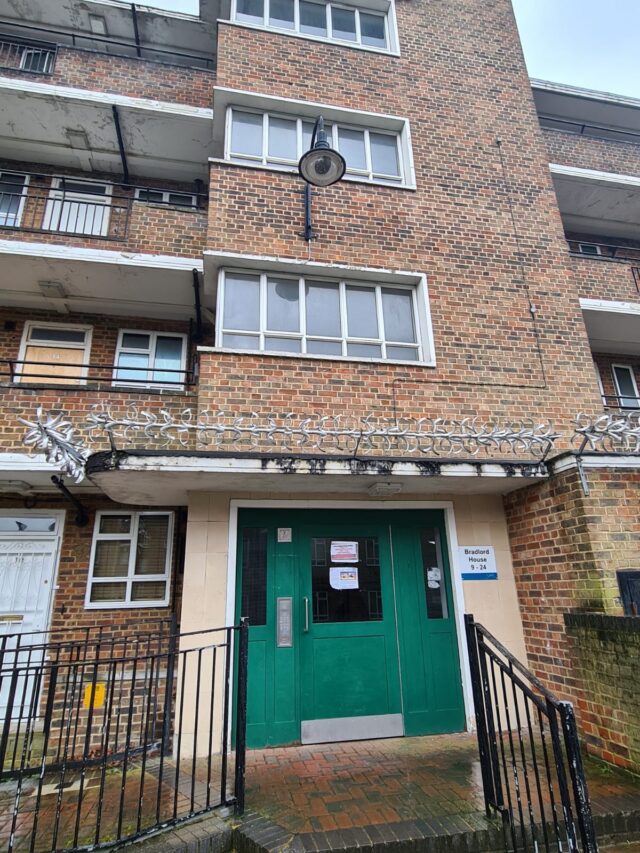
Compensation for Repair Problems in Council or Housing Association Property
If you rent your home from a council or housing association and repairs are not being carried out properly, you may be entitled to compensation.
Social landlords have legal responsibilities to keep rented homes in repair and, in certain circumstances, to ensure that homes are safe and fit to live in. If your landlord has been told about repair problems but has failed to deal with them within a reasonable period, you may be able to take further action.
Depending on the circumstances, compensation may be available where:
- Your landlord has failed to carry out necessary repairs within a reasonable time.
- Repairs have been attempted but have not been completed properly.
- Repair problems keep returning because the underlying cause has not been addressed.
- Damp, mould, leaks or other defects have damaged your belongings.
- You have been unable to use part of your home.
- You have suffered inconvenience and disruption.
- You have incurred additional expenses because of the condition of your home.
- Poor housing conditions have caused or contributed to health problems.
The amount of compensation available will depend on the individual circumstances, including the seriousness of the disrepair, how long it continued and the effect it had on the tenant and their household.
Compensation for inconvenience and loss of enjoyment
Living with outstanding repairs can cause considerable inconvenience.
For example, a tenant may have to repeatedly contact their council or housing association, take time off work for inspections and repair appointments or spend months living with damp, mould, leaks, defective heating or other problems.
Some tenants may also lose the use of part of their home.
A bedroom affected by severe damp and mould, for example, may become difficult or unsafe to use. A serious leak could prevent the use of another room.
Where appropriate, compensation can take account of the extent to which the tenant’s enjoyment and use of their home has been affected.
Financial losses caused by disrepair
Repair problems can also leave tenants out of pocket.
You may be able to claim reasonable financial losses directly associated with the disrepair.
Examples could include:
- Increased electricity bills from using portable heaters because the heating is broken.
- Additional heating costs caused by damp or defective windows.
- Launderette costs following plumbing problems.
- Cleaning costs.
- Travel expenses.
- Replacing items damaged by water, damp or mould.
- Other reasonable expenses directly resulting from the disrepair.
Keep receipts, invoices, bank statements and utility bills wherever possible. These can help demonstrate the financial loss you have suffered.
Damage to belongings
Leaks, damp and mould can cause extensive damage to tenants’ possessions.
This might include damage to:
- Beds and mattresses
- Clothing
- Carpets and flooring
- Curtains
- Furniture
- Electrical equipment
- Children’s belongings
- Other personal possessions
Photographs can be particularly useful evidence. If you have to dispose of damaged belongings, photograph them first and keep receipts for replacement items where possible.
Health problems caused by poor housing conditions
Housing conditions can sometimes affect a person’s physical or mental health.
Damp and mould, for example, can be associated with respiratory problems, while prolonged periods without adequate heating can also have health consequences.
Where a tenant alleges that housing conditions have caused an illness or made an existing condition worse, medical evidence may be required to establish the connection between the condition of the property and the health problems experienced.
Depending on the circumstances, a claim may also include related financial losses, such as loss of earnings or additional expenses.
Awaab’s Law and council and housing association properties
Since 27 October 2025, Awaab’s Law has placed additional legal requirements on social landlords in England.
Under the first phase of Awaab’s Law, social landlords must investigate and address emergency hazards and significant damp and mould hazards within specified timescales.
For an emergency hazard, the landlord must investigate and, where an emergency hazard is confirmed, carry out the necessary safety work as soon as reasonably practicable. Both must take place within 24 hours of the landlord becoming aware of the hazard.
For a potential significant damp or mould hazard, the landlord generally has 10 working days to investigate. Where the investigation identifies a significant hazard, the landlord must normally make the property safe within 5 working days of the investigation concluding.
The landlord must also provide a written summary of its investigation within the required timeframe and take steps to deal with the underlying problem. If the property cannot be made safe within the statutory period, the landlord may be required to provide suitable alternative accommodation at its expense.
These rules are important because social landlords cannot simply allow serious hazards to continue indefinitely after they have been reported.
Ask your landlord to put things right
If you have repair problems, you should normally report them to your council or housing association as soon as possible.
Whenever possible, report the problems in writing so there is a record of when the landlord was notified.
Keep copies of:
- Emails and letters to your landlord
- Repair reference numbers
- Complaint correspondence
- Photographs and videos
- Dates contractors attended
- Details of cancelled or missed appointments
- Receipts for expenses
- Medical evidence where relevant
If you speak to the landlord by telephone, it can also be helpful to follow the conversation with an email confirming what was discussed.
Asking your council or housing association for compensation
You can ask your landlord directly for compensation.
Explain what went wrong, how long the problems have existed and how they have affected you and your household. If you have suffered a financial loss, explain what you have spent and provide supporting evidence.
If an acceptable resolution cannot be reached, other options can include using the landlord’s formal complaints procedure, referring an eligible complaint to the Housing Ombudsman or considering legal action.
Taking legal action over housing disrepair
Where serious repair problems remain unresolved, tenants may wish to obtain specialist advice about whether they have grounds to bring a housing disrepair claim.
A housing disrepair solicitor can consider the landlord’s repairing obligations, the evidence available, how long the landlord has known about the problems and the effect the conditions have had on the tenant.
Depending on the case, legal action can seek to require the landlord to carry out necessary works as well as pursue compensation.
There is not a general rule that every tenant should automatically start court proceedings exactly one month after first reporting a repair. The appropriate course of action and timescale will depend on the circumstances, particularly where there is an urgent or dangerous hazard.
Housing Disrepair Helpline
If you have reported repair problems to your council or housing association and they have still not been resolved, you can contact Housing Disrepair Helpline about your situation.
Housing Disrepair Helpline works with housing disrepair solicitors and can appoint tenants with a solicitor appropriate to their circumstances. Working with a claims management company that has access to different housing solicitors can allow cases to be matched with solicitors with relevant experience and skill sets.
Housing Disrepair Helpline has helped over 25,000 tenants over the last 11 years to get repairs carried out to their homes and obtain compensation.
Housing Disrepair Helpline can appoint tenants with a leading housing disrepair solicitor to assess their case and advise them about the next steps towards getting their home repaired and pursuing compensation where appropriate.
Published: 22/09/26
Tags: Legal rights
Categories: Legal Advice Centre