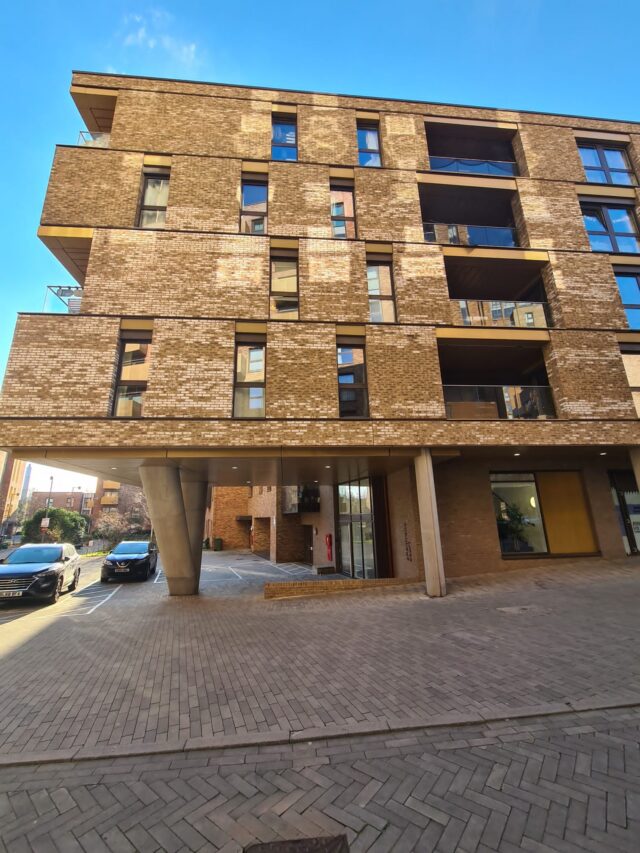
Leaseholder and Shared Ownership: Responsibility for Repairs
If you are a leaseholder or shared owner, it is not always obvious who is responsible for repairing your home. While you will usually be responsible for repairs and maintenance inside your property, the freeholder or landlord will often have responsibility for the structure of the building and communal areas.
Understanding who is responsible is particularly important where problems such as roof leaks, penetrating damp, defective windows, damaged brickwork or problems with communal areas are affecting your home.
What repairs are leaseholders and shared owners responsible for?
In most flats, the leaseholder or shared owner is responsible for maintaining and repairing the inside of their property.
Depending on the terms of the lease, this will commonly include:
- Internal plumbing and electrical wiring
- Internal plasterwork
- Floorboards and flooring
- Internal paintwork and decoration
- Furniture and appliances
- General internal wear and tear
The lease is extremely important, as it sets out the respective repairing obligations of the leaseholder and the freeholder or landlord.
What repairs is the freeholder responsible for?
For leasehold and shared ownership flats, the freeholder or landlord will usually be responsible for maintaining and repairing the structure and exterior of the building, together with communal areas.
This can include:
- The roof
- External walls and brickwork
- Cladding
- Structural elements of the building
- Communal pipes and drainage
- Lifts
- Communal staircases, corridors and entrances
- Other shared areas of the building
This means that even though a problem may be causing damage inside your flat, responsibility for dealing with the underlying defect may rest with the freeholder or landlord.
For example, if water is entering your flat because the communal roof has not been properly maintained, responsibility for repairing the roof will commonly rest with the party responsible for the building under the lease.
What about leasehold houses?
The position can be different if you own a leasehold house.
Leaseholders of houses will often have greater responsibility for maintaining the property, including some or all of its structure and exterior. However, this depends upon the individual lease.
There may also be areas such as communal gardens, roads, pathways, parking areas or shared driveways which remain the responsibility of the freeholder, management company or another party.
You should therefore check the terms of your lease carefully.
Shared ownership properties
Shared ownership can sometimes make responsibility for repairs appear particularly confusing.
Although you may own only a percentage of the property, you will normally have a lease setting out your responsibilities and those of the housing association, council or other landlord.
For flats, the landlord will commonly retain responsibility for the building’s structure and communal areas, although the cost of certain works may ultimately be recovered from leaseholders through service charges.
It is important to distinguish between who has responsibility for arranging and carrying out a repair and who may ultimately have to contribute towards its cost.
Major works and consultation
Where a landlord or freeholder intends to carry out certain major works and recover the cost through service charges, there are statutory consultation requirements.
These are commonly known as Section 20 consultation requirements.
Generally, consultation is required where a leaseholder’s contribution towards qualifying works will exceed £250. There are also consultation requirements relating to certain long-term agreements where the contribution exceeds £100 in a financial year.
These rules can be important where substantial works are proposed to roofs, external walls, windows, cladding or other communal parts of a building.
How should I report repairs to my freeholder or landlord?
If you discover a problem that you believe is the responsibility of your freeholder or landlord, report it in writing as soon as possible.
Your report should clearly explain:
- What the problem is
- Where the problem is located
- When you first became aware of it
- How it is affecting your property
- Whether the problem is getting worse
- Why you believe the repair is urgent
Where possible, include photographs or videos showing the problem and any resulting damage.
Keep copies of emails, letters, photographs, inspection reports and other correspondence. These can become important evidence if the problem is not resolved.
What if the freeholder or landlord does not carry out the repairs?
If the freeholder, council, housing association or other landlord is responsible for a repair but fails to deal with it, you may have legal options.
Depending on the circumstances and the terms of your lease, it may be possible to take legal action requiring the responsible party to carry out the necessary works.
You may also be able to seek compensation where the failure to repair has caused damage, inconvenience or other losses.
Leasehold and shared ownership disputes can be more complicated than standard rented housing disrepair cases, so obtaining advice from a solicitor with specific experience of leasehold repair obligations can be particularly important.
Help for leaseholders and shared owners with repair problems
Housing Disrepair Helpline helps leaseholders and shared owners obtain specialist legal assistance where repairs that are the responsibility of their landlord or freeholder have not been dealt with.
We appoint leaseholders and shared owners with specialist leasehold repair solicitors who can examine the terms of the lease, establish who is responsible for the repairs and advise on the legal options available.
Over the last 11 years, Housing Disrepair Helpline has helped hundreds of leaseholders across England with repair-related problems.
Whether you are dealing with a leaking roof, water penetration, structural problems, defective communal areas or another repair that you believe is the responsibility of your freeholder or landlord, we can help you understand what to do next.
Published: 22/09/26
Tags: Legal rights
Categories: Legal Advice Centre