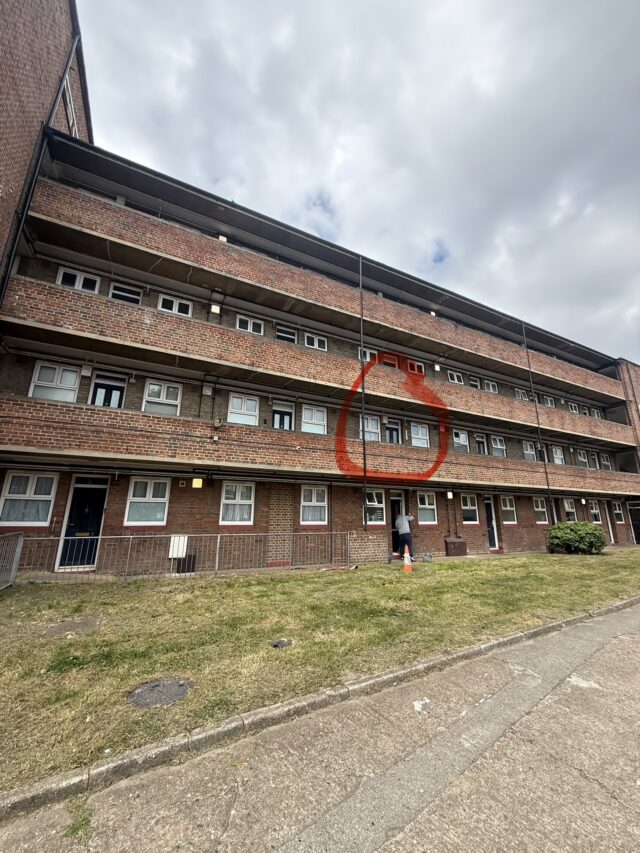
Free Housing Advice and Where to Get It
Housing problems can quickly become stressful and difficult to resolve. Whether you are dealing with damp and mould, repairs that have been ignored, the threat of eviction, homelessness or a dispute with your landlord, knowing where to get reliable advice can make a significant difference.
The good news is that tenants in England have several places they can turn to for free housing advice. Depending on your circumstances, you may also be able to obtain free or no-upfront-cost legal assistance.
Below, we look at some of the main sources of help.
Citizens Advice
Citizens Advice provides free, independent and confidential advice through its network of local Citizens Advice organisations.
Housing advice can cover issues including:
- Eviction and possession proceedings
- Problems getting a landlord to carry out repairs
- Damp, mould and other housing conditions
- Homelessness and threatened homelessness
- Rent and rent arrears
- Benefits relating to housing costs
- Tenancy deposits
- Problems with private, council and housing association landlords
Citizens Advice can often explain your rights and help you understand what steps you should take next. Depending on the local service and the nature of the problem, it may also be able to refer you to another organisation or specialist adviser.
Help is available online, by telephone and through local Citizens Advice services.
Shelter
Shelter is a national housing and homelessness charity and is one of the best-known sources of free housing information in England.
Its website contains detailed guidance covering a wide range of housing problems, including:
- Eviction
- Homelessness
- Council and housing association tenancies
- Private renting
- Repairs and housing conditions
- Rent arrears
- Deposits
- Harassment and illegal eviction
Shelter also provides telephone advice and operates local services in some parts of the country.
For tenants facing a serious or urgent housing problem, Shelter may be able to provide specialist advice or help identify the appropriate next step.
Legal Aid for Housing Problems
Legal Aid can pay for legal advice and representation in certain housing cases.
However, Legal Aid is not available for every housing problem, and eligibility normally depends both on the type of case and your financial circumstances.
Housing matters that can potentially qualify include certain cases involving:
- Possession and eviction
- Homelessness
- Serious disrepair that presents a risk to health or safety
- Unlawful discrimination
- Other circumstances where someone’s home is at serious risk
Legal Aid is generally means-tested, which means your income, savings and other financial circumstances may be considered.
Not every solicitor provides Legal Aid. A solicitor or organisation normally needs an appropriate Legal Aid contract to undertake this type of work.
Legal Aid also provides no provision for the negotiation of damages, so your home will get fixed but you may not receive a lot of compensation.
If you think you may qualify, you can search for a Legal Aid adviser through the government’s Civil Legal Advice service.
Law Centres
Law Centres are independent organisations that provide legal advice to people who may otherwise struggle to obtain legal assistance.
Many employ qualified solicitors and specialist legal advisers.
Depending on the Law Centre and the services available locally, housing assistance may include:
- Eviction
- Possession proceedings
- Homelessness
- Housing disrepair
- Problems with local authorities
- Discrimination
- Welfare benefits connected with housing problems
Law Centres often concentrate their resources on people who are particularly vulnerable or unable to afford private legal representation.
Availability varies considerably between different parts of the country.
Housing Disrepair Solicitors
If you are a council or housing association tenant and your landlord has failed to carry out necessary repairs, another option may be to speak to a specialist housing disrepair solicitor.
Housing disrepair cases can involve problems such as:
- Persistent damp and mould
- Water leaks
- Defective roofs
- Broken or defective heating
- Unsafe electrical installations
- Plumbing problems
- Structural defects
- Rotten windows or doors
- Pest infestations linked to defects in the property
- Damage to plasterwork, ceilings and internal finishes
- Other serious repair problems that the landlord has failed to address
A specialist solicitor can consider whether your landlord is legally responsible for the repairs and what action can be taken to get the problems resolved.
Depending on the circumstances, a tenant may also be entitled to claim compensation.
No-Win, No-Fee Housing Disrepair Claims
Some housing disrepair solicitors accept suitable cases under a Conditional Fee Agreement, commonly referred to as a “no-win, no-fee” agreement.
This can allow a tenant to pursue a housing disrepair claim without paying a solicitor’s legal fees upfront.
However, no-win, no-fee arrangements do not apply to every housing problem. They are generally used where a solicitor considers there are sufficient grounds to pursue a legal claim.
Before entering into an agreement, you should be given information explaining how the arrangement works, what happens if the case succeeds or fails, and whether any deductions could be made from compensation.
Your Local Council
Local authorities may also provide housing advice services.
This can be particularly important if you are:
- Homeless
- At risk of becoming homeless
- Being threatened with eviction
- Living in unsafe conditions in privately rented accommodation
- Having difficulty understanding your housing rights
Councils have specific legal duties in relation to homelessness and also have enforcement powers relating to certain hazards in privately rented homes.
The services available, and the amount of individual assistance provided, vary between councils.
The Housing Ombudsman
If you are a social housing tenant, the Housing Ombudsman may also be relevant.
The Housing Ombudsman deals with complaints about registered social landlords, including councils and housing associations.
Complaints can concern matters such as repairs, complaint handling and the way a landlord has responded to problems reported by a tenant.
The Ombudsman is different from a solicitor. It investigates complaints and can make findings and orders within its remit, but it does not act as the tenant’s solicitor in a housing disrepair compensation claim.
Keep Evidence of Your Housing Problem
Whichever route you take, keeping good records can be extremely helpful.
Try to keep copies of:
- Emails and letters sent to your landlord
- Repair reports and reference numbers
- Photographs and videos of the problem
- Complaint correspondence
- Inspection reports
- Medical evidence where relevant
- Receipts for items you have had to replace or repair
- Records of telephone calls and appointments
It can also be useful to keep a simple timeline showing when the problem started, when it was reported and what the landlord did in response.
When Should I Contact Housing Disrepair Helpline?
If you are living in a council or housing association property that is in disrepair and your landlord has failed to put things right, Housing Disrepair Helpline can provide an initial conversation about your situation and whether you may have grounds for a housing disrepair claim.
Where appropriate, Housing Disrepair Helpline can appoint tenants with a leading housing disrepair solicitor who can assess their case, advise on the next steps and, where appropriate, pursue action to get repairs completed and seek compensation.
The solicitors we refer suitable housing disrepair cases to can act on a no-win, no-fee basis, meaning there is no solicitor’s fee to pay upfront. The terms of any agreement, including any deductions from compensation if the claim succeeds, will be explained by the solicitor before you decide whether to proceed.
Call Housing Disrepair Helpline free on 0800 612 4690.
Housing Disrepair Helpline has helped over 25,000 tenants get their homes fixed and obtain compensation over the last 11 years.
If your landlord has repeatedly ignored repair problems, you do not necessarily have to continue waiting. Getting specialist advice can help you understand your rights, what your landlord is required to do and what options are available to get your home repaired.
Published: 22/09/26
Tags: Legal rights
Categories: Legal Advice Centre